Salon • Best Practice
Hair Stylist Job Description: Template, Duties, and Skills
Hair Stylist Job Description: Template, Duties, and Skills

How To Attract Top Talent With a Hair Stylist Job Description
A new hair stylist directly influences your day-to-day operations. Stylists are the face of your salon, so who you hire has a direct impact on client satisfaction and your brand’s reputation. An amazing stylist will form lasting relationships with clients, boost retention, and increase retail sales. But a poor fit leads to client churn and messy disputes that reflect poorly on everyone.
If you want to build your dream team, you’ll need to start with the basics: writing a good hair stylist job description. An accurate and well-structured description can help you attract the right type of candidate before you start the interview process. In this guide, we’ll help you understand what goes into and build a job description that catches the attention of your next stellar employee.
What Does a Hair Stylist Do?
A hair stylist is a licensed beauty professional who provides comprehensive hair services like cutting, coloring, and styling. Some hair stylists also perform chemical treatments, like perming and relaxing.
In a typical appointment, a stylist will consult with a client to discuss their preferences and goals. They’ll recommend styles and explain the processes necessary to achieve the desired look before pulling out their tools and getting to work.
To do the job well, candidates need to bring strong technical and interpersonal skills. They should have a firm grasp of cosmetology principles (like chemical reactions, hair health, and color theory) to create a wide range of hairstyles. Stylists also need strong social skills to build lasting professional relationships and keep client retention high.
Hair Stylist Job Description Template
A good job description can help you filter out poor fits and find stylists who will grow with your salon.
To help you get started, here’s a hair stylist job description template that you can customize and post to job boards:
We're seeking a talented, licensed hairstylist to join the team at [Salon Name].
The ideal candidate is passionate about their craft, dedicated to delivering exceptional client experiences, and motivated to grow both their clientele and career. You'll thrive in a collaborative, high-performing environment that values creativity, professionalism, and results.
If you're driven to build a loyal following, elevate your work, and contribute to a growing salon, we'd love to meet you.
Job duties include:
Leading clients through consultations to establish hair goals, preferences, and lifestyle needs
Providing comprehensive cutting and styling services for a diverse clientele
Delivering advanced coloring services, including balayage, all-over color, and corrective color
Administering chemical hair treatments, such as relaxers and perms, while adhering to safety standards
Offering clients product recommendations and personalized at-home hair care instructions
Following professional sanitation practices and maintaining an organized workstation at all times
Qualifications necessary:
An active state cosmetology or hair stylist license
Excellent client service and communication skills
Willingness to work flexible hours, including evenings and weekends
Ability to stand for several hours at a time while performing repetitive hand and arm motions
Compensation ranges from [minimum] to [maximum].
Hair Stylist Duties and Responsibilities
When candidates understand what you expect from a stylist, they’ll know if they have the right skills for the job and are interested in your salon’s niche. So, if you want to recruit top talent, you need to provide a comprehensive list of hair stylist duties and responsibilities in your job description.
These tasks represent the core services and hair stylist responsibilities the team member will perform. A list of job duties might look like the following:
Conduct thorough client consultations to assess hair health and client expectations
Provide a range of cutting and styling services
Perform hair coloring services
Apply chemical treatments, such as perming and relaxing (certification required)
Recommend products and at-home routines for style longevity
Maintain a clean workstation and sanitize equipment between appointments
Support team members during busy periods
Stay up-to-date with current trends and pursue continuing education
Hair Stylist Skills
Being a hair stylist requires a unique blend of hard and soft skills. They’ll need to simultaneously deliver complex technical services while holding small talk and communicating clearly with clients about their wants and needs.
Technical skills for hair stylists include:
Advanced cutting techniques (trimming, layering, texturizing)
Color theory, formulation, and application (highlighting, fashion colors, balayage)
A range of styling techniques (blowouts, curling and straightening, updos)
Safe and effective chemical treatment application (perms, relaxers)
Proficiency with styling tools and equipment (curling wands, flat irons)
Most clients don't speak the language of cosmetology. They know what they like, what they don't, and how they want to look, but it's up to the stylist to translate that into the right service and result. They may only have a reference picture, TikTok or Instagram Reel, or vague, contradictory description. Stylists have to understand the client’s expectations and know what techniques to use to recreate the look. So, necessary interpersonal skills for hair stylists include:
Clear communication
Active listening
Time management
Dispute resolution
Hair Stylist Qualifications and Requirements
Job descriptions need to include any qualifications a stylist has to have to be considered for the role. Across the board, minimum requirements include:
A hair styling license that meets regional requirements
A high school diploma or GED
Graduation from an accredited cosmetology program
Being a hair stylist relies on a few physical abilities, so while most stylists know they’ll have to stand for long stretches of time and move their arms to do their job, it’s still important to explicitly lay out those requirements in your job post. Examples include:
Physical stamina
Ability to stand for extended periods
Manual dexterity and ability to perform repetitive hand and arm movements
Comfortable with exposure to chemicals and fragrances used in salon services
Beyond education and certifications, you might also provide a list of preferred qualifications, such as:
Customer service and communication skills
Ability to work flexible hours on weekends and evenings
Outgoing and friendly demeanor with clients
Salary, Commissions, and Benefits
Every part of a job application is important, but the salary will determine whether the best candidates submit an application or close the page to look elsewhere. So, it’s important to get it right the first time.
In the United States, the median wage of a hair stylist sits between $19 and $20 per hour. This figure can vary by region or state, but going too far below this number will drive away the best candidates—especially if you expect experienced staff to fill senior positions.
Be sure to outline any commission structures for the position. Will stylists earn 50% of all service earnings? Some balance of salary plus commissions? Offer a rate that reflects the number of regular clients you expect the stylist to have. For example, new graduates will need to rely on wages over commissions until they find their footing. (That figure also doesn’t include tips, which you also should mention.)
Don’t forget to include additional benefits such as sick time, health insurance, retirement plans, and other commissions and bonuses. The more attractive the perks, the more likely you are to attract high-quality stylists.
Salary, benefits, and commission specifics all vary at the state level, so make sure you verify what’s required in your area first. Labor laws and minimum wages can also be different between cities or regions in the same state, too. It’s important to get these details right before you post your job listing: It shows you respect applicants’ rights and needs as human beings, not just employees.
Salon Description
If you didn’t already include these details in the job summary, be sure to describe the salon itself. Stylists are shopping for employers just like you are looking for new team members, so give them information that will inform their decision. If you have space, go beyond a website link to share the following:
What makes your salon unique?
How long has your business or chain location been in operation?
What’s the work culture like?
Don’t be afraid to tell a few jokes or get personal if it reflects your brand persona. Stylists who pick up on these details may feel more confident applying to a salon with a personal touch.
Of course, creating the hair stylist job description is just the first step. You’ll still need to read through each application, make a list of candidates, and conduct interviews. But if you include the right details in the job description, you’re far more likely to attract stylists who are a perfect fit for your team—and who will feel your salon is the ideal fit for them.
Manage Your Salon Dream Team With Boulevard
Once you’ve found the perfect fit, you need to have the operational fortitude to manage a busy staff and prioritize employee satisfaction. Boulevard helps salon owners manage stylist schedules with smart automation tools and track performance with integrated reporting features. As an end-to-end beauty and wellness business management platform, Boulevard helps salons manage everything from scheduling to reports to streamline daily operations, so owners and operators can focus on what matters most: the client experience and the bottom line.
Learn how Boulevard’s Salon Software can help you manage your growing team.
FAQ
What Specific Qualifications or Certifications Are Typically Required for a Hair Stylist Position?
To be considered for the position, a hair stylist candidate should provide proof they have completed an accredited cosmetology program and hold an active state license in cosmetology or hair styling. Keep in mind that licensure requirements vary by state, so you’ll need to verify your local licensing requirements before you finalize the hire.
Are There Any Recommended Additional Training Programs or Education Paths for Aspiring Stylists?
While ongoing education isn’t a regulatory requirement, it’s a huge plus for both stylists and their employers, especially when it comes to keeping up with new and emerging cutting, coloring, and styling techniques and trends. Additional training can also help stylists specialize in more complex services, or learn business skills necessary to open their own salon one day.
What’s the Difference Between a Hair Stylist and a Cosmetologist?
Hair stylists specialize in services like cutting, coloring, and chemical treatments. Cosmetologists usually provide a broader range of services, including those for nails, skin, and lashes, and can even include brand educators and beauty school instructors.
What Are The Roles in a Hair Salon?
Hair stylists are the backbone of a salon, providing the services that clients are looking for. But there are many important roles in a beauty salon team. Most salons also have a receptionist or front-desk representative, a salon manager, and (in some cases) a specialized colorist. Larger salons may also employ hair stylist assistants or apprentices who are actively training for future stylist roles.
What’s the Difference Between a Booth Renter and an Employed Hair Stylist?
A booth renter typically pays rent to use a chair in your salon, but they operate as an independent business. An employed hair stylist works for the salon and is paid by the owner hourly and/or through commission.
How Does Boulevard Help Salons Manage Hair Stylists?
Boulevard’s Salon Software helps salons manage their hair stylists with built-in scheduling and reporting tools. The platform utilizes calendar optimization that automatically fills appointment gaps and connects to client profiles to make sure the right client goes to the right stylist. Boulevard’s reporting tools also track service trends, employee performance, and revenue.

Shanalie Wijesinghe
Content Strategy Director
Shanalie Wijesinghe is the Content Strategy Director at Boulevard. She lends her industry and platform expertise to both in-house staff and partner salons and spas. A salon industry veteran with more than 15 years of experience working for high-end luxury salons such as Sally Hershberger and BENJAMIN, Shanalie was previously Director of Education for Boulevard and blends her knowledge of the beauty and technology industries to help put the company’s partners and employees on the path to success. A Bay Area native and first-generation immigrant, Shanalie is a graduate of the Paul Mitchell School specializing in cosmetology, styling, and nail instruction.
Related Posts

Want to Be a Hair Stylist Assistant? Get the Low-Down Here
Here’s everything you need to know about getting a job as a hair stylist assistant and building a career for yourself in the beauty world.
Read Article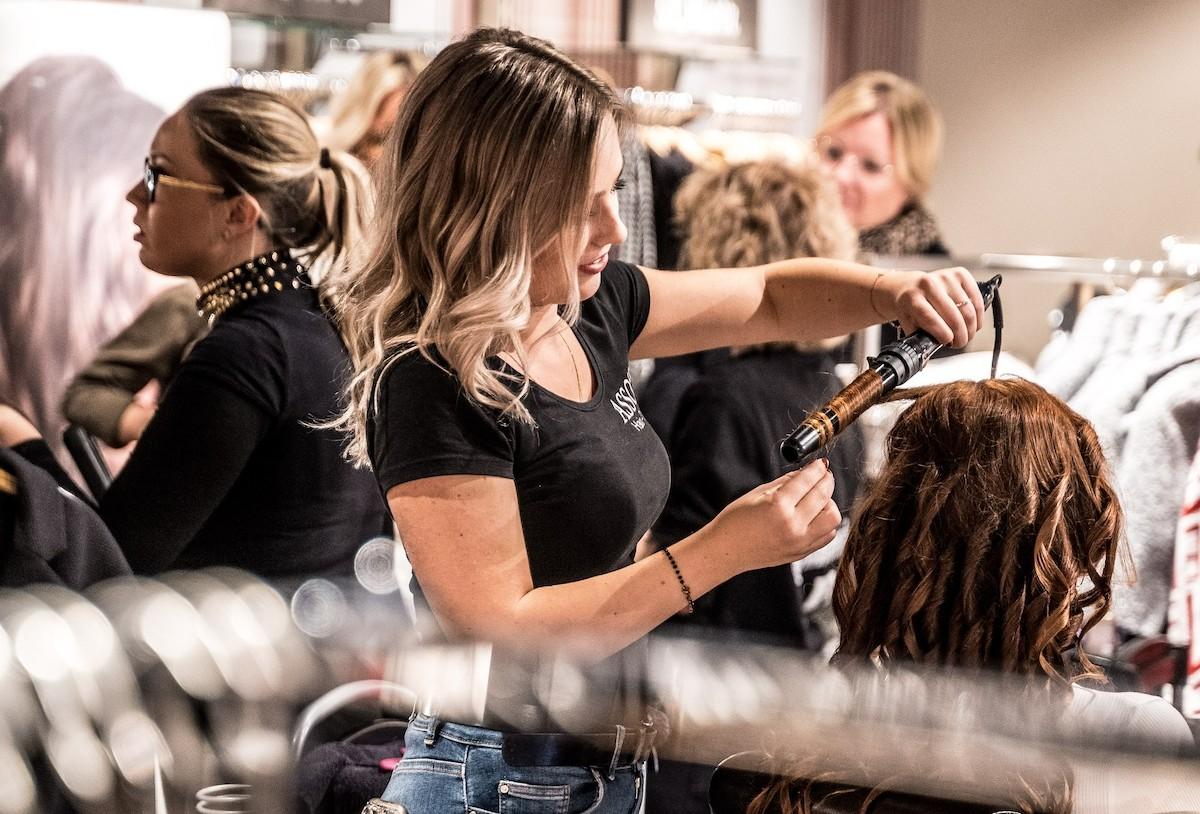
Salon Staff Recruitment: Building a Dream Team From Desk to Chair
These best practices for salon staff recruitment will help you build a dream team that works together well and lasts for the long haul.
Read Article
How to Find Stylists for Your Salon: 7 Tips to Find & Keep Creative Geniuses
It’s not enough to know how to find stylists for your salon — you also need to give them reasons to stick around. Use these 7 tips for success!
Read Article
Salon Manager Survival Guide - Resources to Carry For Your Whole Career
What skills and qualifications does a salon manager need? We compiled answers to all the questions you’ve been asking, and a few that you haven’t!
Read Article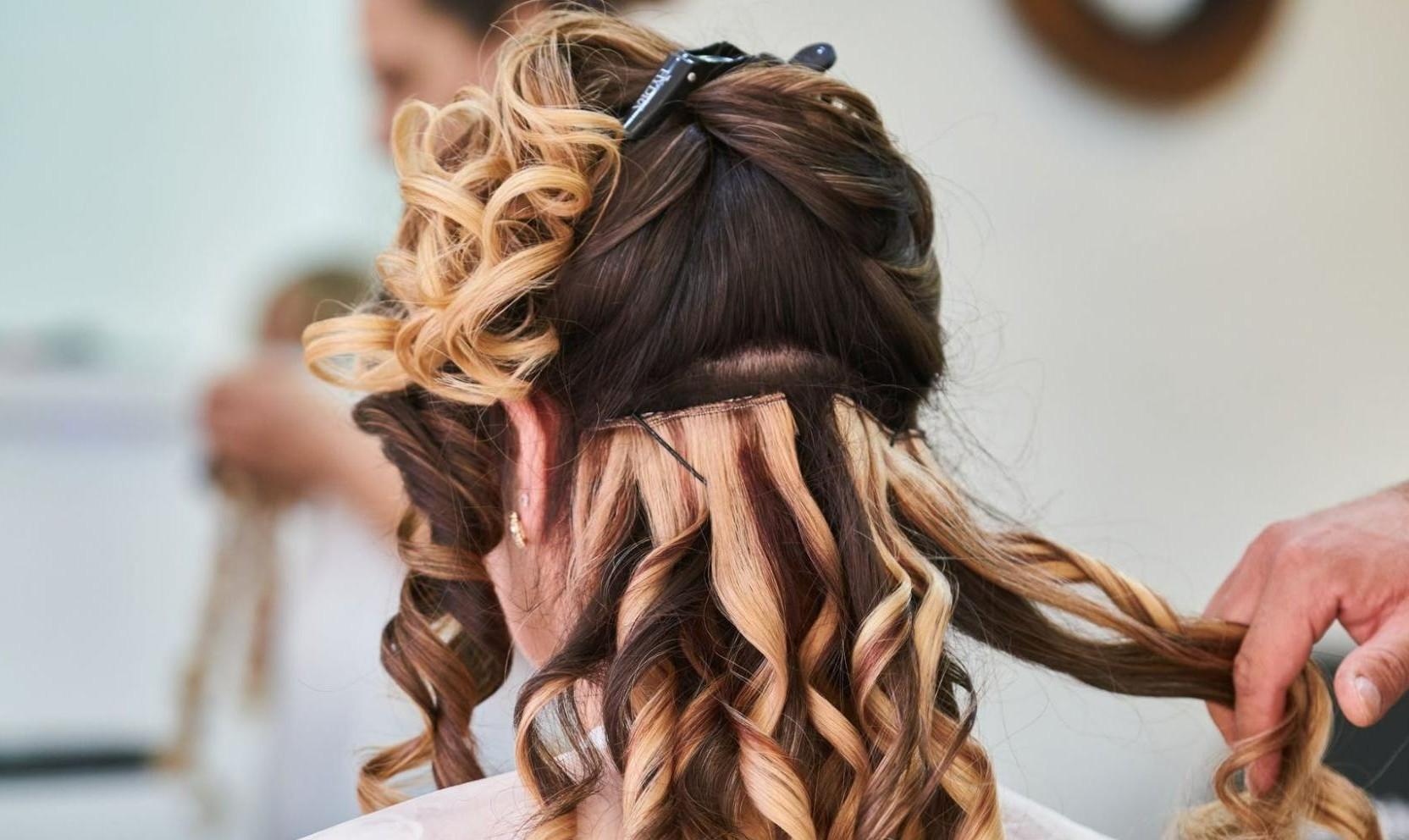
How to Become a Hair Stylist in 5 Not-So-Easy (But Profoundly Rewarding) Steps
In order to become a hair stylist, you must go to school, go through training, get your license, and more. Here are the steps for how to do it.
Read Article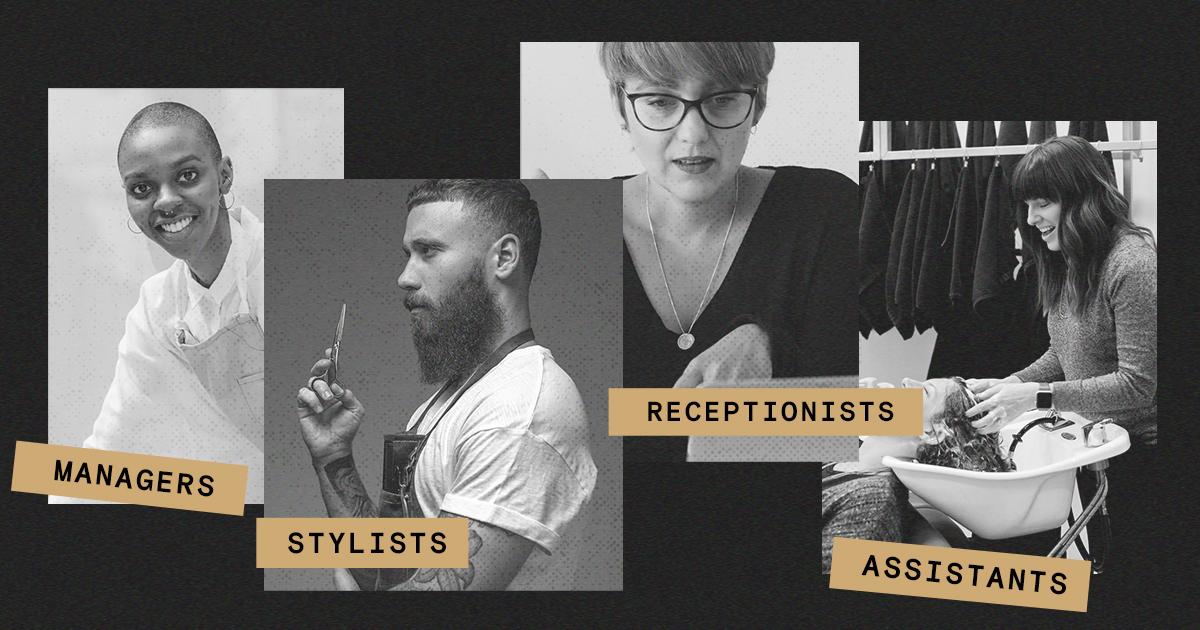
Job Roles in a Beauty Salon - How to Hire & Manage a Lean Staff
Your business won’t just run itself. You’ll need to hire a team that meets all the required job roles in a beauty salon.
Read Article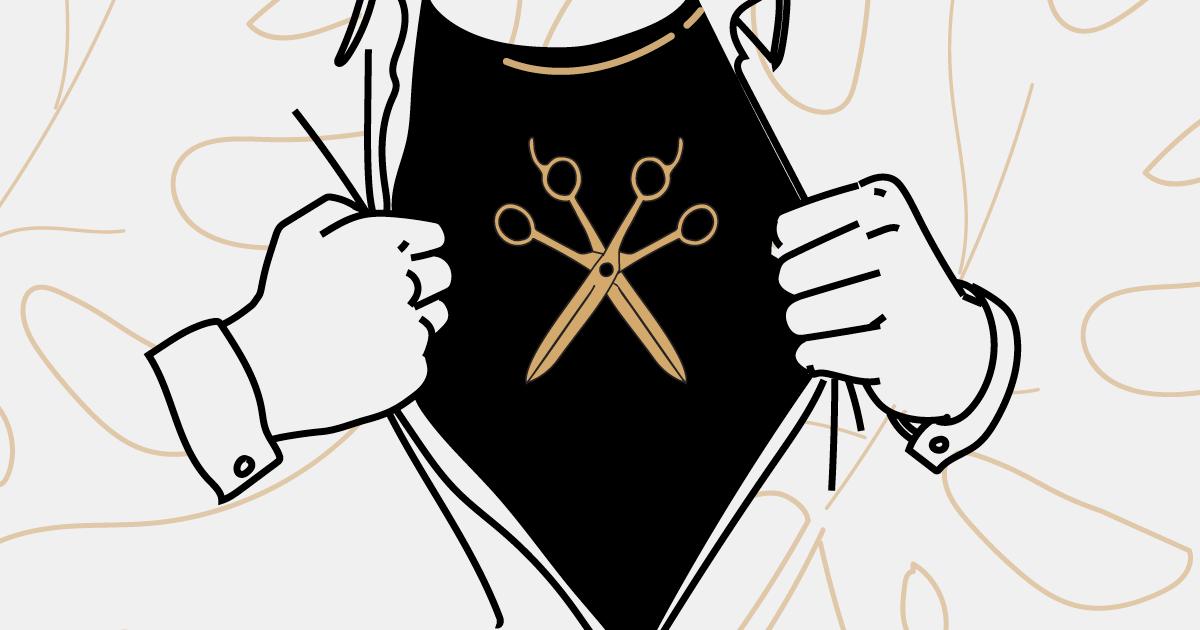
How to Be a Good Salon Manager: 6 Tips to Master the Trade
Want to know how to be a good salon manager? It isn’t about being a better stylist, but a better leader for your team.
Read Article
Your Salon Recruiting Plan - 4 Steps to Staffing Your Beauty Business
Once you’ve got a dream salon space, it’s time to make a salon recruiting plan to hire the stylist team of your dreams
Read Article
What's Your Sign? Let Your Horoscope Guide Your Future in the Salon Industry
Should you take career advice from the stars? We think it’s worth a go. Here’s how to find a stylist gig that feels like more than a job.
Read ArticleSign up for weekly blog updates.