Blog • Community
Powered by Women: The Beauty Workforce
Powered by Women: The Beauty Workforce
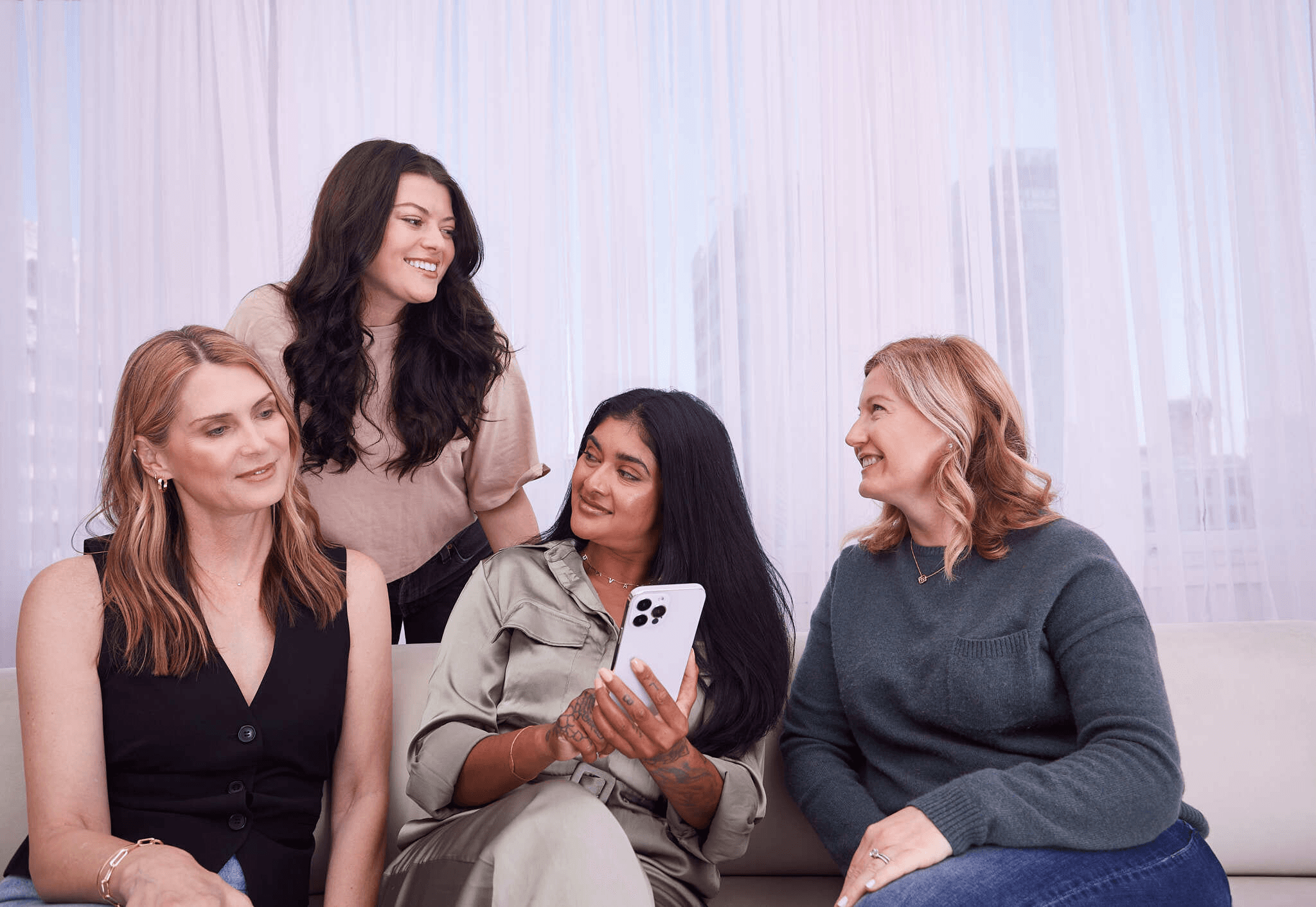
This Women’s History Month, we’re recognizing the millions of women whose skill, care, and expertise sustain one of the fastest-growing service industries in the U.S.
Every day around the world, millions of people walk into a salon, spa, or medspa hoping to leave feeling a little more confident than when they arrived.
They come in before job interviews, big presentations, weddings, even first dates. Sometimes they come in after a hard week or during a moment of transition, looking for something that feels steady or familiar. Beauty appointments often sit quietly at the intersection of the practical and the emotional, part maintenance, part ritual. And more often than not, the person guiding them through that experience is a woman.
She’s the one cutting your hair before you start a new job. The one adjusting your treatment plan after you’ve struggled with your skin for months. The one noticing how you’ve been wearing your hair differently lately and asking if you want to try something new this time. These moments may seem small, but they add up to something much larger: an industry that is overwhelmingly built on women’s labor, expertise, and care.
Beauty Is One of the Most Female-Led Workforces in the U.S.
According to the U.S. Bureau of Labor Statistics, hairdressers, hairstylists, and cosmetologists are among the most women-dominated occupations in the American workforce, with nearly 89% of roles held by women.
That means that behind nearly every haircut, facial, manicure, or skincare consultation is a workforce made up largely of women. Many of whom are balancing creative skill with business ownership, technical training with client education, and service delivery with emotional intelligence. Beauty isn’t simply influenced by women. It is sustained and scaled by them.
For generations, beauty has served as both a creative outlet and a viable pathway into entrepreneurship for women who might otherwise have been excluded from traditional leadership roles. Long before the rise of modern startup culture, salons and treatment rooms were offering women a way to build income and independence through their own expertise.
Today that legacy continues, often in small businesses where the provider is also the manager, marketer, inventory buyer, mentor, and bookkeeper. They’re also expected to manage digital booking, client communication, payments, and marketing all while maintaining the personalized care that defines the client experience.
As technology becomes more deeply integrated into the way beauty businesses operate, modern tools are helping professionals scale their businesses without sacrificing the human connection that makes their work meaningful. Technology may now be part of how beauty businesses operate, but it hasn’t replaced the work at the center of them. It has simply made visible how much of that work has always existed. The relationship-building, the follow-ups, the remembering of preferences, the effort it takes to ensure that each client feels seen and valued.
Women Are the Infrastructure
The demand for beauty and wellness services continues to rise as clients prioritize experiences that make them feel more confident and prepared for daily life. The Bureau of Labor Statistics projects employment for barbers, hairstylists, and cosmetologists will grow 5% between 2024 and 2034 — faster than the average for all occupations.
This growth translates to tens of thousands of new job openings each year, many of which will be filled by individuals entering the beauty workforce for the first time or returning after time away. For some, it will be their first career. For others, it will be a second act after raising children, changing industries, or pursuing additional education.
Beauty continues to provide something rare in today’s labor market: a flexible, skill-based profession that allows women to shape their schedules, grow their income over time, and build long-term relationships within their communities.
Care Is the New Standard
While the workforce continues to expand, the nature of the work itself has evolved. Today’s clients aren’t just evaluating a service based on how they look when it’s over. They’re paying attention to how they feel during the process, whether their time is respected, preferences are remembered, and whether the experience feels tailored to their individual needs.
According to The Self-Care Client Report 2026:
66% of clients say that having their preferences remembered plays a key role in earning their long-term loyalty. Nearly half expect a same-day follow-up after an appointment, and more than half want the opportunity to schedule their next visit before they even leave. In other words, the work doesn’t end when the service does.
Beauty professionals are increasingly responsible for maintaining communication, tracking preferences, and creating continuity across visits. They also have to juggle this during the brief moments between clients or after hours. The job has expanded beyond technical delivery into relationship-building, coordination, and care management.
And because women make up the majority of this workforce, they are often the ones carrying that expanded responsibility. This is especially significant when viewed alongside broader labor trends. Research from the Global Economy and Development Program at Brookings shows that, in an average week, women still spend significantly more time on unpaid household labor including caregiving and domestic work in addition to their paid employment. For many beauty professionals, the care they provide doesn’t stop when the appointment does. It continues at home.
Beauty Remains Essential — Even in Uncertain Times
In moments of economic pressure, spending habits tend to shift. Clothing purchases may be delayed. Shopping trips may become less frequent. But personal care services remain one of the last categories people are willing to give up.
The Self-Care Client Report found that 73% of clients keep salon visits in their budgets even when reducing spending elsewhere. That resilience speaks to the role beauty plays in everyday life. A haircut or treatment is rarely just cosmetic. It’s preparation for something — a meeting, a celebration, or simply the week ahead.
For many clients, maintaining those routines feels less like an indulgence and more like an investment in their ability to show up in the world as their best selves. And the women delivering those services, who frequently operate small businesses or work independently, are the ones sustaining that stability across communities.
Women’s History Month: The Hands Behind the Industry
Nearly nine out of ten professionals in core beauty service roles are women.
Every day, they are helping someone walk into a job interview with a little more confidence.
Helping someone feel comfortable in their own skin after years of insecurity. Helping someone show up to a meeting, a milestone, or a new chapter of their life ready to be seen.
Their work lives in the moments that matter — the ones that shape careers, relationships, and how people move through the world.
The beauty industry is often talked about in terms of creativity or trends. But behind every transformation is a trained professional who has mastered their craft and supports someone else’s sense of self. This is skilled work. It is emotional work. And it has a real impact.
This Women’s History Month, we’re honoring the millions of women whose expertise helps others step forward with confidence and whose work keeps this essential, growing workforce moving every day.
Shanalie Wijesinghe
Content Strategy Director
Shanalie Wijesinghe is the Content Strategy Director at Boulevard. She lends her industry and platform expertise to both in-house staff and partner salons and spas. A salon industry veteran with more than 15 years of experience working for high-end luxury salons such as Sally Hershberger and BENJAMIN, Shanalie was previously Director of Education for Boulevard and blends her knowledge of the beauty and technology industries to help put the company’s partners and employees on the path to success. A Bay Area native and first-generation immigrant, Shanalie is a graduate of the Paul Mitchell School specializing in cosmetology, styling, and nail instruction.
Related Posts
7 Influential Women in Beauty You Should Follow
Beauty isn’t just an industry, it’s a community. So let’s celebrate a few of the women leaders who make it something special.
Read Article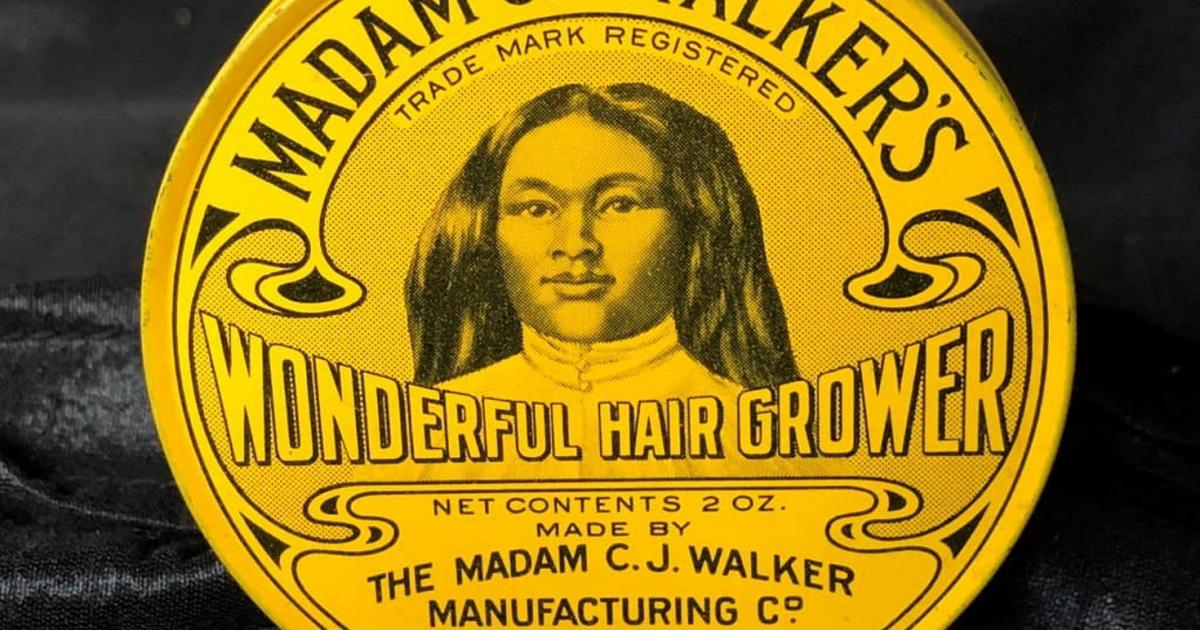
Get Inspired by “Self Made,” a Dramatization of the Life of Madam C.J. Walker
Madam C.J. Walker’s journey to successful entrepreneur, beauty brand owner, and self-made millionaire makes her an inspiration for the ages.
Read Article
Driving Racial Equity in Aesthetic Medicine This Black History Month and Always
The DREAM Initiative is taking on racist beauty standards in aesthetic medicine. Here’s what you need to know.
Read Article
More Than Skin Deep: Inclusive Beauty as a Celebration of Women Everywhere
Making your medspa more inclusive for women everywhere isn’t just a values statement — it’s a way to expand and protect your business. Here’s why and how.
Read Article
The Ongoing Legacy of Trans Women in Beauty
Transwomen, throughout history, have left their marks on the beauty industry. For International Women's Day, these 5 women deserve a shout-out.
Read Article
Self-Care Is Essential. Here's How Our Habits Are Evolving in 2021
Self-care spiked during the pandemic and the trend isn’t going anywhere. Here’s what the self-care boom means for beauty businesses in 2021.
Read Article
Relationships and Retention: Strategies for Creating a More Connected Culture
Get insights from Boulevard Director of Education Shanalie Wijesinghe on how to create the lines of communication necessary to mentor and retain stylists.
Read Article
20 Salon Trends & Industry Statistics
See 2025 salon industry trends with up-to-date benchmarks: U.S. market size, average hair salon revenue, profitability, retention, online booking behavior, and what to do next. FAQs + schema included.
Read Article
Causes that Matter: The PBA Fights Domestic Violence With CUT IT OUT® Program
Learn how the Professional Beauty Association's CUT IT OUT program is empowering beauty professionals to combat domestic violence through education, training, and financial support for survivors.
Read ArticleSign up for weekly blog updates.